


Road cycling, Cycling
Bled
Road cycle route Across Pokljuka to Bohinj
Road cycle route Across Pokljuka to Bohinj

Road cycling, Cycling
Bled
Road cycle route Across Pokljuka to Bohinj
Road cycle route Across Pokljuka to Bohinj

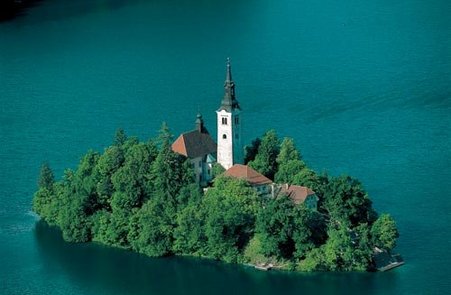
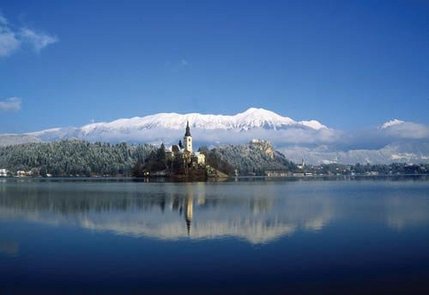
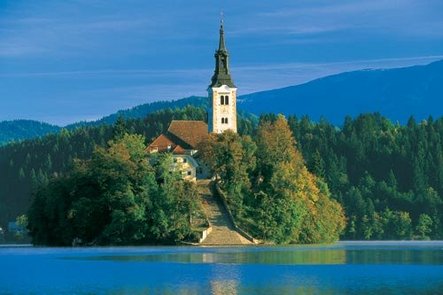

Lake Bled
The lake was formed with the retreat of the Bohinj glacier. It is up to 2120 long, up to 1380 m wide, the greatest depth is 30.6 m, and in origin it is tectonic. After the last Würm glaciation the Bohinj glacier deepened the natural tectonic depression and gave it its present shape.The basin was filled with water when the ice melted. The lake has no larger natural tributaries; it is fed only by a few springs. The thermal springs in the north-eastern part are captured in three swimming pools – those of the Grand hotel Toplice and the hotels Park and Golf. The picturesqueness is emphasised by the island in the western part of the lake.
Bled Island
Bled Island with the little church of St Mary is that pearl in the middle of Lake Bled which draws one of the most recognisable images of Slovenia. The church with its golden main altar and three side altars of black marble has undergone several alterations, and its speciality is the free-standing bell tower. Ninety-nine stone steps lead up to the island platform, where the church, the bell tower, the sexton's house, the provost's house and the hermitage stand.There are many legends about the island; one was used even by our greatest poet France Prešeren in his masterpiece.
Many come here to entrust their wishes to Mary, for the wishing bell is a particularly popular reason for visiting the little church on the island. The island, on which a shrine of the Slavic goddess of love once stood, can be reached by pletna boats.
The legend he used says that on the island there was a shrine of the Old Slavic goddess Živa, which was said to be guarded by Bogomila and Staroslav. Experts have reconstructed the architectural development of the island church of the Assumption of Mary. In the early Middle Ages, on the site of today's building there was a pre-Christian, probably Old Slavic cult site. On the island 124 graves with skeletons from the 9th to the 11th century were discovered. In this period the foundations of the pre-Romanesque chapel were also laid. This building is probably a trace of the missionary work of the Aquileian patriarch Paulinus, a contemporary of Charlemagne. The first traces of the Brixen authorities on the island are the foundations of a Romanesque chapel, on the site of the pre-Romanesque one. The three-nave basilica, whose foundations are clearly visible and preserved, was most probably built in the middle of the 12th century.
The single-nave Gothic church with a large free-standing bell tower was built on the southern side in 1465, when the first bishop of Ljubljana, Sigmund Lamberg, consecrated the new presbytery and the main altar. The free-standing bell tower is likewise a speciality, since it shows the characteristic influence of the Venetian school. The bell tower itself is 52 m high, and characteristic of it are also the Gothic vault above the entrance and the stone called buckwheat grain, which has many small holes and from which the vault was made in the 14th-15th century. In the middle of the 17th century, on the site of the Gothic church, a lower, barrel-vaulted early Baroque church was built, which was rebuilt in 1685.
The three side altars of black marble are the work of the Ljubljana stonemasons M. Cussa and F. Ferrata. The paintings in them were made by an unknown master and relate to the Venetian school of the 17th century. The fourth side altar, dedicated to St Anne, is from the end of the 17th century, and the painting in it is from the Layer workshop in Kranj. The main altar with lively Baroque architecture and richly gilded carving dates from the 1740s. The altar statues represent the donors of the Bled estate, Henry II and his wife Cunigunde. The wooden reliefs on the altar table and the tabernacle are from the second half of the 19th century.
A special attraction of the island church is the wishing bell, which attracts many tourists and was made in 1534 in Padua; it was made by F. Patavino. The bells in the bell tower are from the first half of the 18th century. The other buildings and the wall that protects the buildings on the plateau took their final form in the 17th century. In 1655 the monumental staircase with 99 stone steps leading to the top of the island was created. The church was restored in 1972. The well on the island was arranged in 1888. It was arranged by Windischgraetz, in memory of a princess who died very young. This water comes from a natural spring and is drinkable.
Even before Christianisation there was a Slavic shrine on the island – a temple to the goddess Živa, who was the goddess of love. After Christianisation in 745 they were forced to exchange polytheism for the Christian faith. Then the goddess Živa was replaced by the Christian version, Mary. Beside the 99 steps, on the left side, a small chapel of Mary was also built, where people could likewise pray. On the green in front of the church there is also a statue of Mary Magdalene, who practised the oldest trade in the world, and her presence in this place is somewhat questionable, since the island was for centuries a pilgrimage destination.
As soon as we reach the top of the steps, on our left is the building in which the sexton once lived. Beyond the sexton's house is the provost's house. On the provost's house there is a very interesting coat of arms, composed of two parts. The left part, on which there is a sheep with a cross, represents the coat of arms of the Brixen bishops (in 1842 Brixen ceded the church to the bishops of Ljubljana), while the right part of the coat of arms is the coat of arms of just one of the bishops who was here. The four tasselled knots around the fresco–coat of arms indicate that this was a bishop. On the island there are 124 graves from the 9th and 10th centuries, and the wishing bell has been on the island for 450 years. The church was saved from destruction by the fact that it financially supported a primary school, which was one of the first in our country. Emperor Joseph II so hated churches and monasteries that he closed or even demolished a great many of them on our soil, until the Pope himself asked him to desist. In 1809 Bled fell to the French, and since the French soon began to run short of money, they took the hay from the surrounding farmers, and they also took the bells from the island, except for the wishing bell.
The legend of the sunken bell
The so-called »little wishing bell« was cast in 1534 by Franziskus Patavinus in Padua, Italy. Around that time, at Bled Castle lived a young, inconsolable widow. Her husband was killed by robbers, who threw his body into the lake. She gathered all her silver and gold and had a little bell cast for the chapel on the island.But it never arrived there. A fierce storm sank it together with the boat and the boatmen. Even today it sometimes sounds from the depths on clear nights.After this misfortune the despairing widow sold all her property, donated the proceeds for a new church on the island, and herself entered a convent in Rome. There she lived piously until her death. After her death the Pope consecrated a new bell and sent it to the island of Bled. Whoever rings this bell and conveys their wish to the merciful »lady of the lake« will have their wish fulfilled.So the legend tells, one which includes the international saga of the »sunken« bell and an idealised historical origin of the »little wishing bell«.
Road cycle route Across Pokljuka to Bohinj
Road cycle route Across Pokljuka to Bohinj

From Lesce we set out through Radovljica, Podvin, Mošnje, Posavec and Naklo to Polica. At the traffic-light junction we turn left and continue through Kokrica, past the castle…
From Lesce we set out through Radovljica, Podvin, Mošnje, Posavec and Naklo to Polica. At the traffic-light junction we turn left and continue through Kokrica, past the castle…
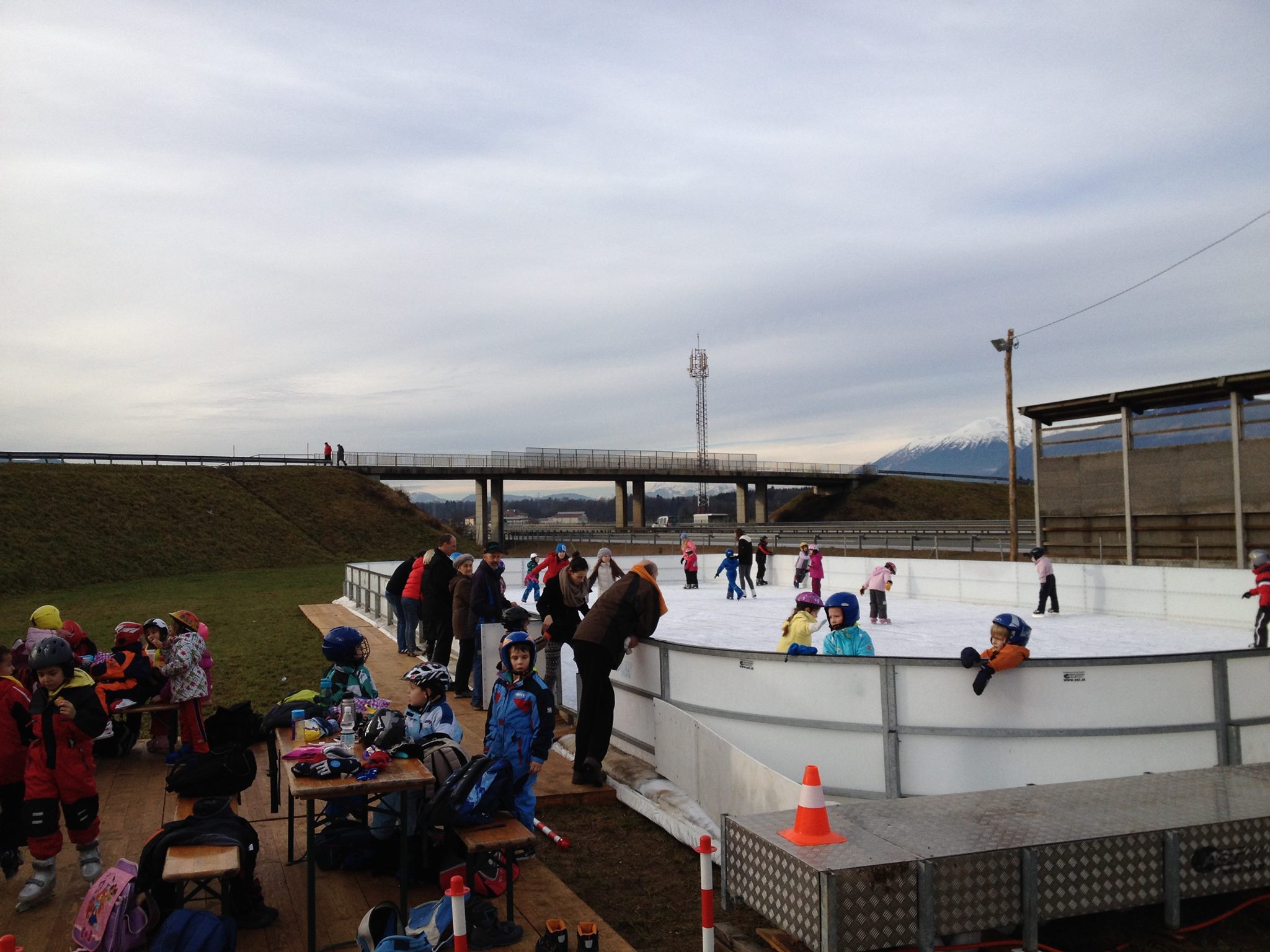
The ice rink in Naklo is opposite the municipal building (the library) in Naklo, by the overpass to Strahinj. Skating is FREE, and skate hire is possible during…
The ice rink in Naklo is opposite the municipal building (the library) in Naklo, by the overpass to Strahinj. Skating is FREE, and skate hire is possible during…
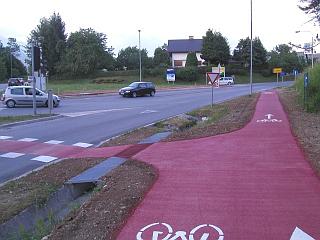
Krog čez Laze road cycling route
Krog čez Laze road cycling route
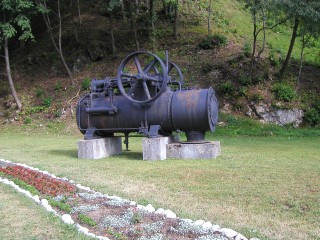
We start the route at the beginning of Tržič. Along the main priority road through Tržič to the village of Čadovlje. In this village we can also see the »Paštba« drying house , which…
We start the route at the beginning of Tržič. Along the main priority road through Tržič to the village of Čadovlje. In this village we can also see the »Paštba« drying house , which…
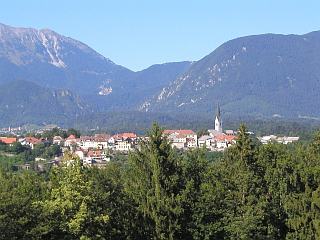
From Lesce we set out towards Radovljica. Before Radovljica we turn right in the direction of Kropa. We continue along the main road across the Sava, through Lipnica. At the next…
From Lesce we set out towards Radovljica. Before Radovljica we turn right in the direction of Kropa. We continue along the main road across the Sava, through Lipnica. At the next…
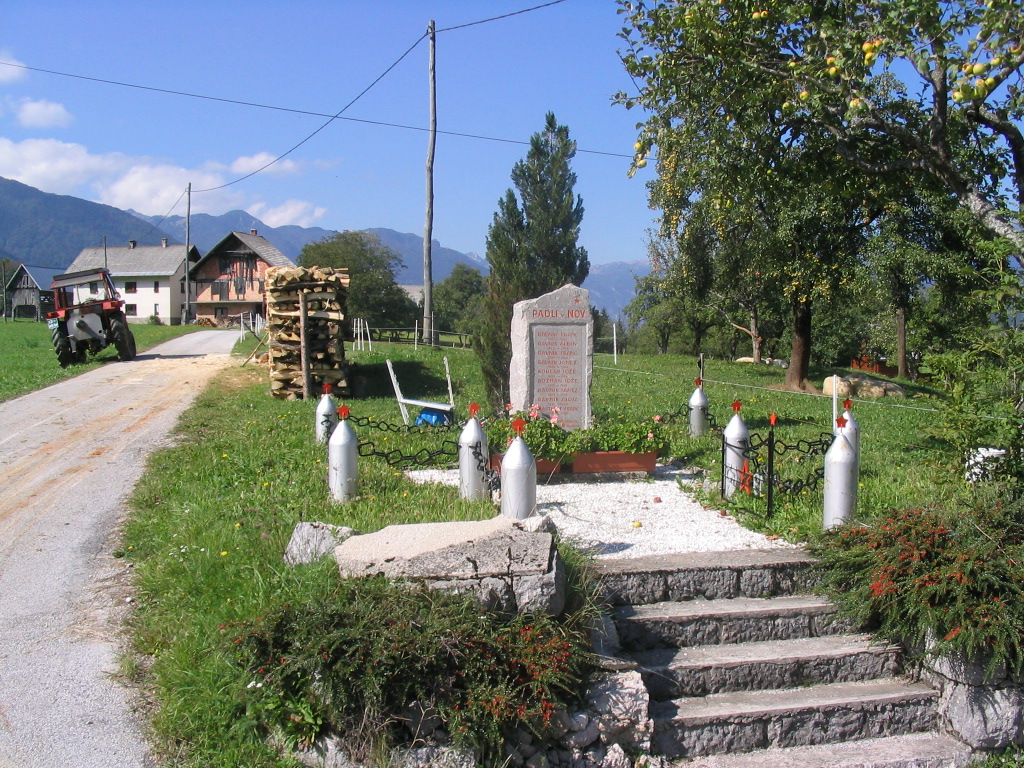
Road cycling route Bled-Ravne to Bohinj
Road cycling route Bled-Ravne to Bohinj

Bi radi dodobra spoznali našo prelepo domovino? Slovenija svojim obiskovalcem ponuja nešteto lepih naravnih zanimivosti, ki so kot nalašč za obisk na eno ali večdnevnih izletih. Slovenija je zares majhna država, kar prinaša številne prednosti, kot je denimo ta, da jo lahko v le nekaj urah po diagonali v celoti prevozimo. Kamorkoli se boste odločili […]
Bi radi dodobra spoznali našo prelepo domovino? Slovenija svojim obiskovalcem ponuja nešteto lepih naravnih zanimivosti, ki so kot nalašč za obisk na eno ali večdnevnih izletih. Slovenija je zares majhna država, kar prinaša številne prednosti, kot je denimo ta, da jo lahko v le nekaj urah po diagonali v celoti prevozimo. Kamorkoli se boste odločili […]