Dear lovers of castles and culture!
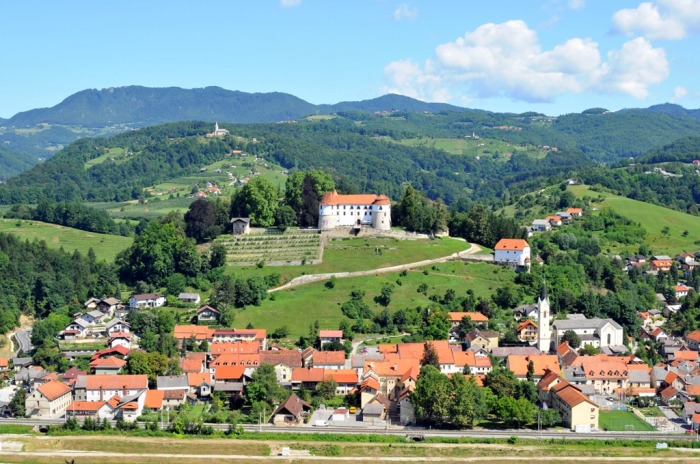
We invite you to the SE part of Slovenia, to Sevnica. Sevnica is a medium-sized municipality with about 18,000 inhabitants and is mostly covered with forests. The river Sava flows through the municipality and beside it lies the old town centre with a wonderful square.
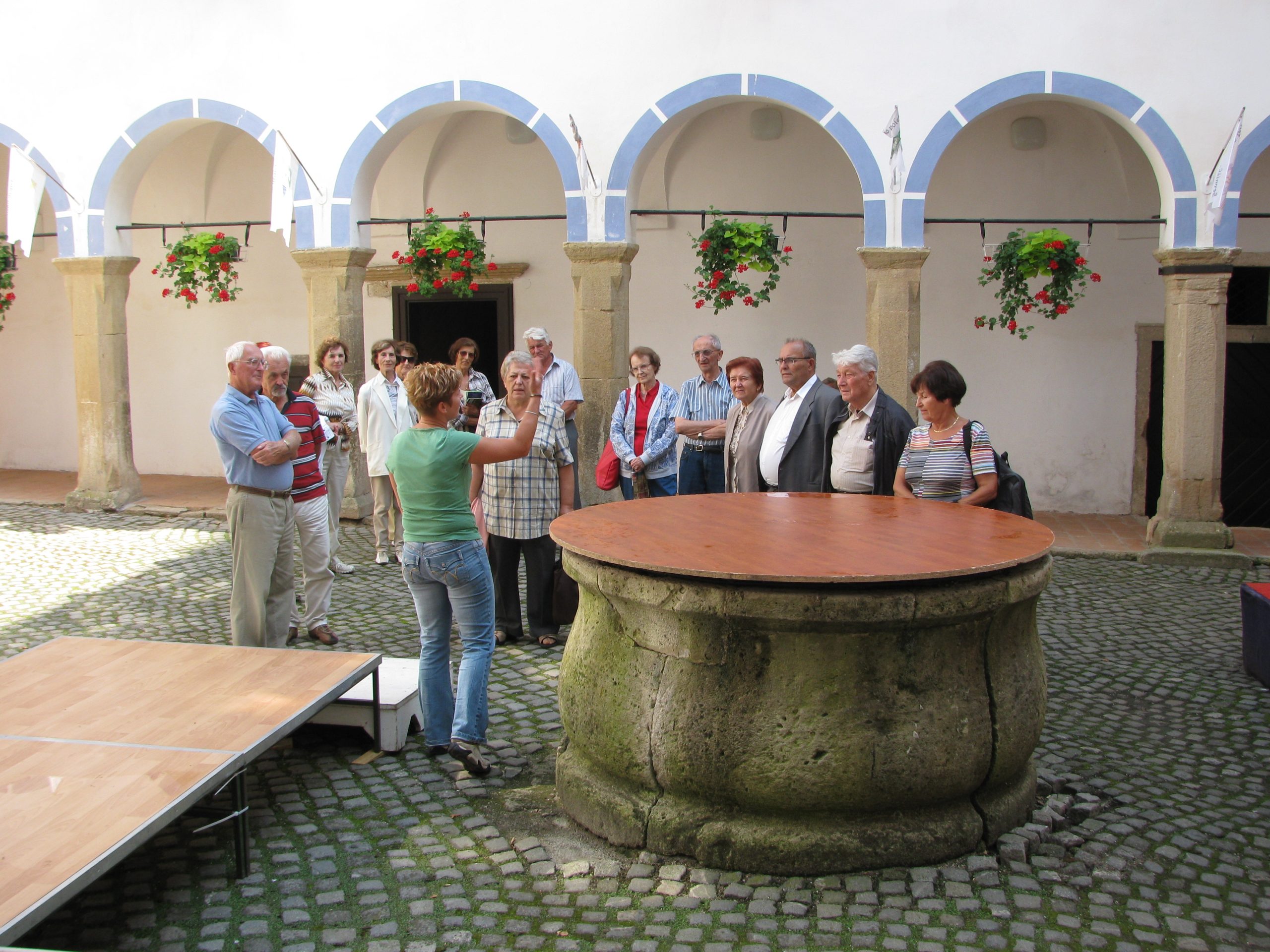
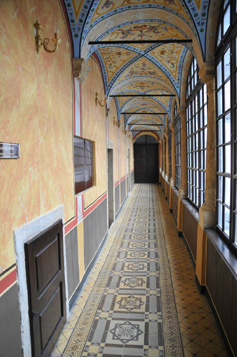
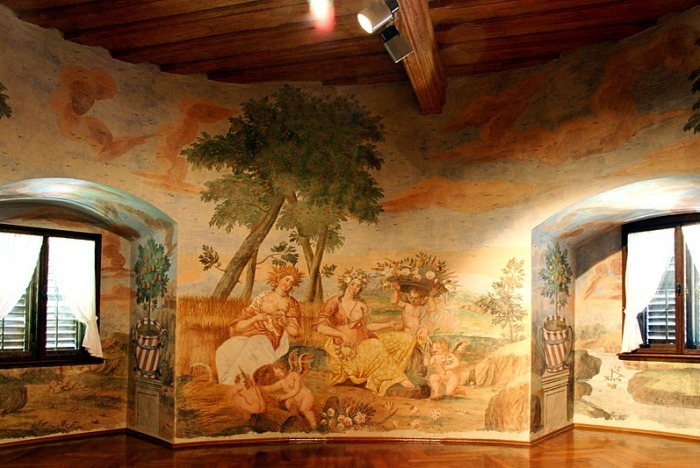
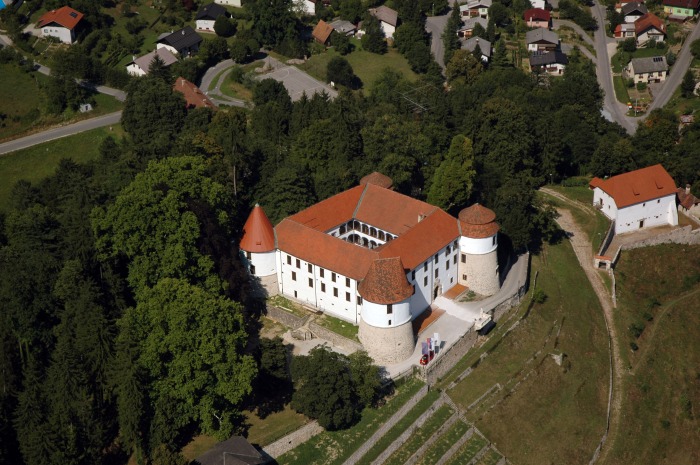
Above the old part of the town stands the mighty, more than 700-year-old Sevnica castle, from where there is a wonderful view over the Sava valley.  In the castle we offer guided tours with a tourist guide. You can watch a short film about the history of the castle, walk through the magnificent halls, where today there are the tower with the frescoes "The Four Seasons", the wedding hall, the large conference hall with interesting coats of arms from various lands; you can see the school collection, the firefighting collection, the collections of various renowned artists and the Baroque salon, where you will lose yourself in the beauties of old furniture. In the atrium of the castle you can visit the castle granary, where you can treat yourself to numerous home-made delicacies, and the castle vinotheque, which in a pleasant setting offers you wine tastings and the purchase of excellent wines from the Sevnica area. After the tour you can rest in the castle café over a drink or a coffee, and then in the castle park, where energy points for relaxation and well-being are marked beside the centuries-old trees.
Together we can also visit the Luther cellar, where almost five-hundred-year-old paintings from the period of Protestantism are beautifully preserved, one of the loveliest paintings in Slovenia, and the tomb in which the husband and daughter of the last countess, who lived at Sevnica Castle until 1940, are buried. And since it is also exceptionally acoustic, at the end we also sing a song or two.
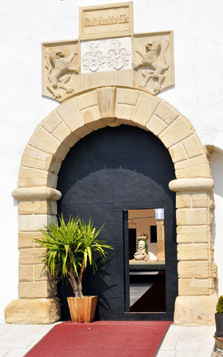
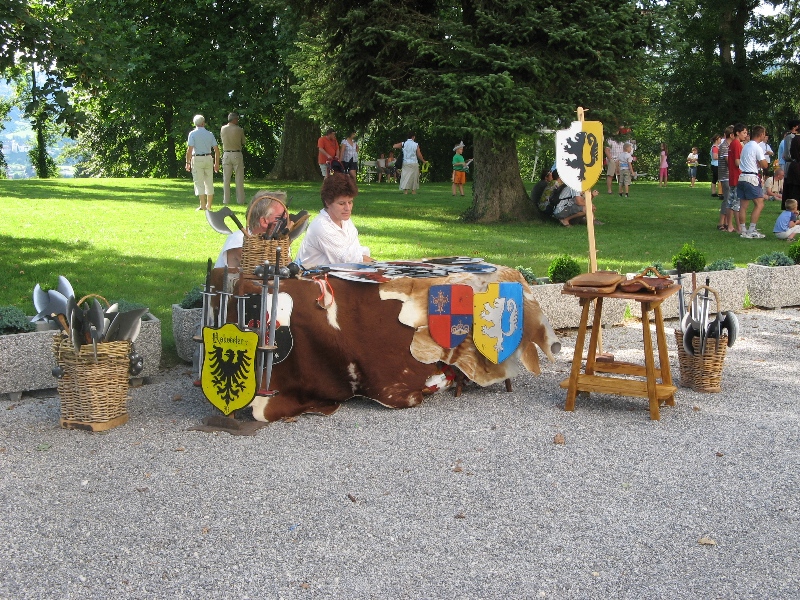
At the castle, in the guide's office, you can also buy original souvenirs; the castle's premises you can also hire for various occasions (conferences, meetings, gatherings, concerts, also birthday celebrations etc.). At the castle you can also get married and in an unforgettable setting in
magnificent style breathe the fateful "yes".
You are kindly invited, we will be glad of your visit! 
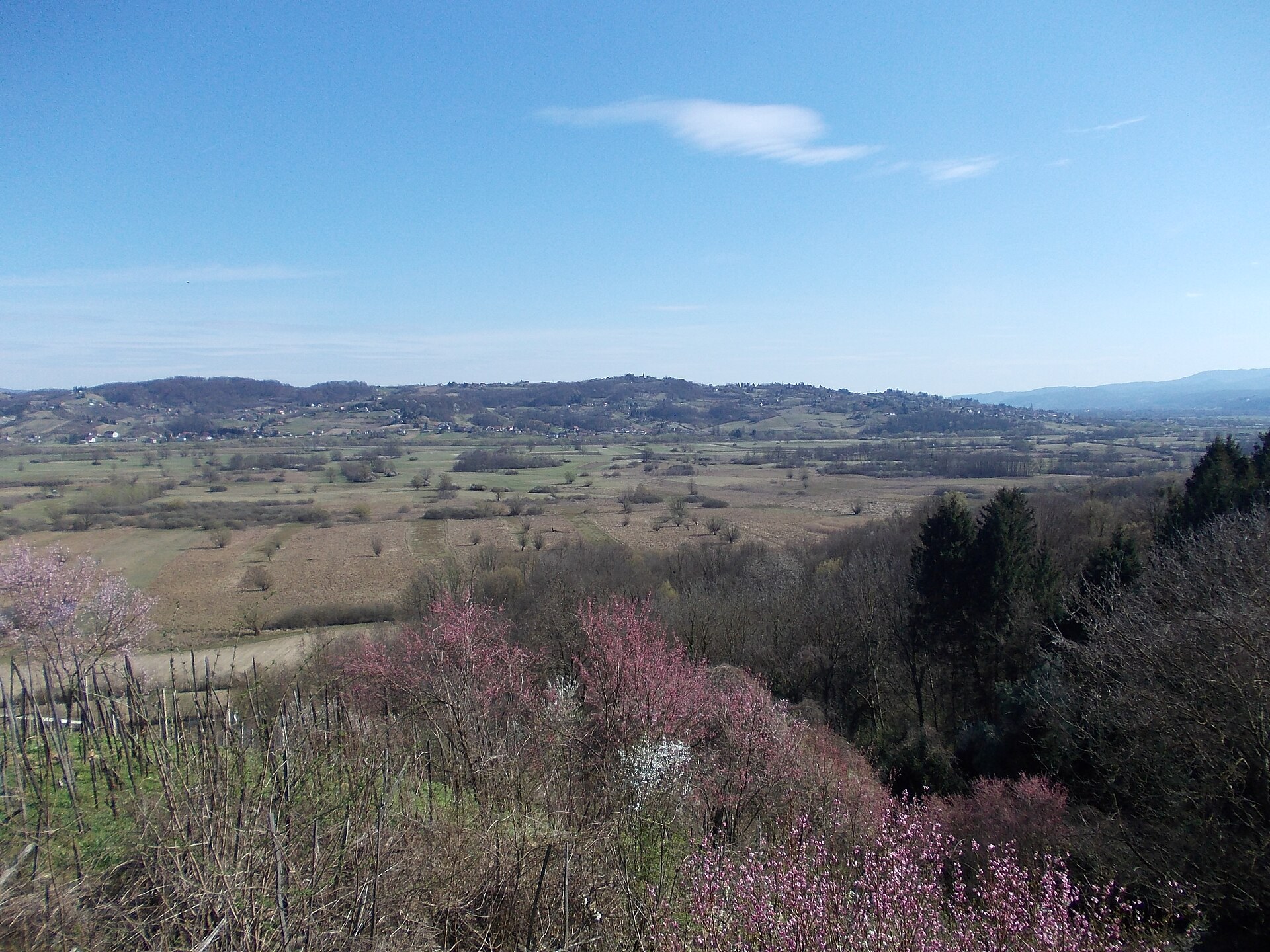
The municipality of Sevnica in its present extent was created in 1955 and 1994. It lies on the rivers Sava and Mirna; to the north and north-east it is embraced by the steep slopes of Veliko Kozje (993 m), Lisca (948 m) and Bohor (1023 m), and to the south by the Dolenjska hills. It borders the municipalities of Krško, Škocjan, Trebnje, Litija, Radeče, Laško and Šentjur pri Celju. Together with the municipalities of Krško and Brežice it forms the Posavje region. The area of the municipality measures 272 km2; here, in 114 settlements joined into 10 local communities (Blanca, Boštanj, Loka pri Zidanem Mostu, Krmelj, Primož, Sevnica, Studenec, Šentjanž, Tržišče, Zabukovje…), about 18,000 inhabitants live.
A walk through history shows us that the area of the municipality was settled already in prehistory (finds in the surroundings of Kaplja vas). Illyrians and Celts lived here (Hallstatt finds in Boštanj). At the beginning of our era these places passed into the possession of the Roman empire.
Of the turbulent times of the migration of peoples testifies the archaeological site at Ajdovski gradec above Vranje from the 5th to 6th century AD, where traces of a late antique and early Christian settlement were discovered.
In the late Middle Ages, when in 1275 the German name of Sevnica, Liechtenwald, first appeared, the area belonged to the archbishops of Salzburg, and after the short-lived rule of the Hungarian kings it passed under Habsburg power, which was preserved until the end of the First World War.
The Turkish incursions and peasant revolts also affected the area of Sevnica. In the peasant revolt of 1573 the rebellious peasants also occupied Sevnica. In the 16th century the Sevnica upper castle was therefore fortified.
Neither fires nor the plague spared Sevnica. The market town burned down several times, most recently in 1854, and of the ravages of the plague testify many plague shrines and the fortified church of St Roch above Sevnica.
Sevnica was granted market-town rights in 1322, the right to hold fairs was granted to it by the Salzburg archbishop only in 1513, and emperor Joseph II allowed it in 1783 to hold annual cattle fairs. The architecture of the medieval Sevnica castle is a mute witness of the many periods it has survived – from the Renaissance to the Baroque. Today we can see in it Baroque frescoes, the school and firefighting museum and the museum of the exiles.
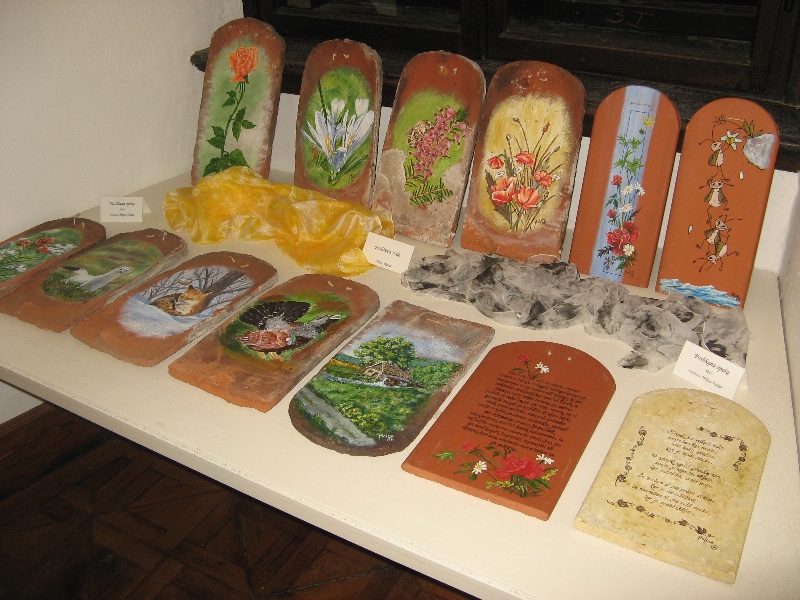
Artistic souls will be delighted by the exhibition gallery of the decorative art of Ivan Razboršek, and in the castle the academic painter Alojz Konec also has his studio and a permanent exhibition.
Proof of the harmonious interweaving of past and present in Sevnica Castle are the conference and wedding halls.
Near Sevnica castle is the Luther cellar – one of the loveliest Renaissance art monuments in our country, which besides its wonderful, almost fantastical painting also boasts exceptional acoustics. As the name says, in its time it was a refuge for Protestant Lutherans. In it Jurij Dalmatin also taught Luther's doctrine.
The lower Sevnica castle with the date 1613 is the oldest building on Glavni trg, which is the central oldest part of Sevnica together with the Neo-Romanesque parish church of St Nicholas, with the church of St Florian from 1443 and with the restored wayside shrine with the statue of St Martin from the 17th century. Today the lower castle is the seat of the Municipality of Sevnica, and the square today too largely preserves its original character.
The Slovenian national movement also touched Sevnica in the past century. In 1866 the first reading room in Posavje was founded here,which in 1869 was joined by a rally, at which numerous nationally conscious Slovenians demanded a United Slovenia.
On the rounded hills churches and little churches gleam white like solitary sentries. Many of them are protected as monuments and still today emphasise the original beauty and inviolability of the natural environment. The medieval church of St George on Šentjurski hrib (376 m) near Tržišče, from the beginning of the 13th century, also ranks at the very top of our art monuments.
In 1862 the railway ran through the town, and the railway station, which because of lack of space was built outside the market-town core, became the nucleus of the new part of the town already before the First World War.
At the beginning of the 20th century Sevnica was industrially insignificant, although already before the First World War it had two plants, a shoe-last factory and a steam sawmill. Between the two wars Sevnica was already the most developed place in Posavje, while the second larger workers' centre was Krmelj with its brown coal mine. During the Second World War the area was included in Hitler's resettlement programme, so this period left deep and painful traces among the people.
Sevnica became a town in 1959. The town with about 5,000 inhabitants is the industrial, craft, commercial, cultural and administrative centre of the municipality with an extensive hinterland. Predominant are above all the textile industry (Lisca, Jutranjka, Inplet), the wood-processing industry (Kopitarna, Stilles), the metal-processing industry (Inkos, Preiss) and the chemical industry (Tanin).
Farmers, fruit growers, arable farmers and livestock breeders are joined by the Sevnica Farming Cooperative, which also has an extensive retail network.
The construction operation is led by SGP Sevnica, and craftsmen are members of the Sevnica Chamber of Crafts.
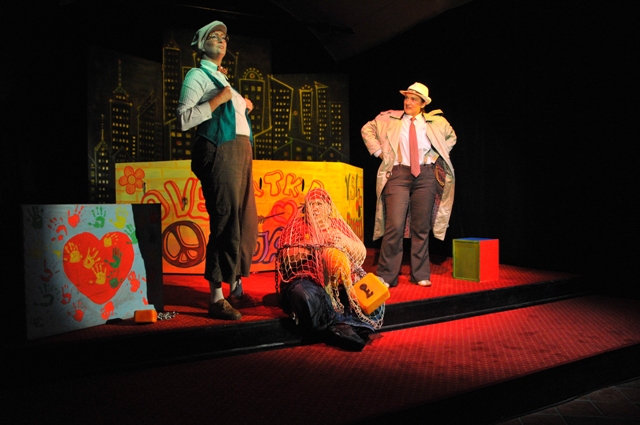
The Association of Cultural Societies in Sevnica takes care of amateur cultural activity, guest performances by professional groups, the library, the Ajdovski gradec archaeological park, Sevnica castle with its collections and galleries, the Luther cellar and the monuments.
In the municipality the local radio station Radio Sevnica also operates. At the Sevnica bathing facility, managed by Komunala Sevnica, there are an Olympic and a children's pool. Within the Sevnica Sports Association numerous sports clubs operate with a colourful palette of sporting disciplines.
In the field of catering, sole traders and the Sevnica Catering Company predominate. One can take refreshment with food and drink in 18 inns or restaurants, and over 30 establishments offer individual types of dishes and drinks.
Nature has endowed the Sevnica area with two indigenous flower habitats. Above Boštanj the famous Pontic azalea (Azalea pontica) spreads, which blooms in May and is a botanical rarity of Europe. At Lovrenc above Okroglice there is a large habitat of gentian (Clusius's gentian), which likewise in May clothes the surrounding meadows in its royal blue. Lisca is the highest viewpoint and a well-known mountaineering and excursion destination. Here you can treat yourself to a picnic in the grass, pleasant skiing in winter, and if you are brave enough, you can descend by hang-glider or paraglider into the valley towards the Sava.