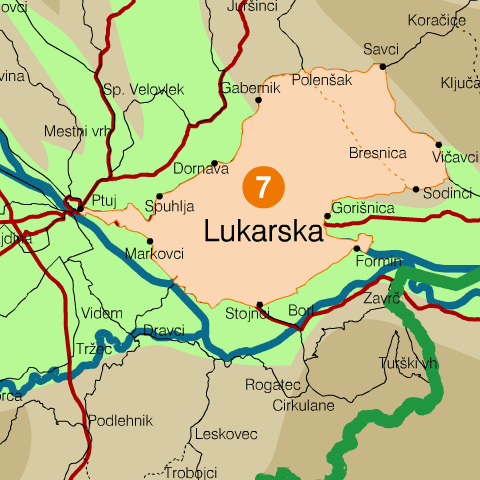
You begin the route in Ptuj and cycle along Lake Ptuj through Spuhlja, Zabovci and Markovci to the weir.
You continue the route through Stojnci (crossing the Ptuj-Varaždin road) towards Muretinci, through Mala vas, Gajevci and Placerovci, and cross the Drava canal for the Formin hydroelectric plant once more.
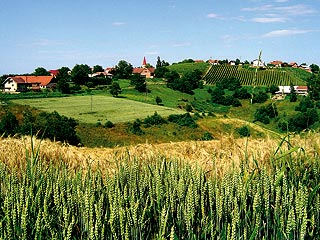
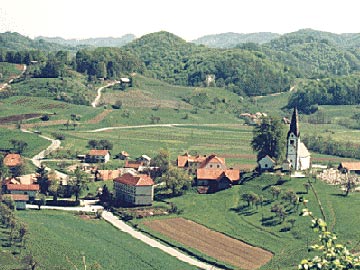
As you ride towards Gorišnica you see the church of St Margaret. In Gorišnica you cross the main Ptuj-Ormož road, and in Zamušani you are already slowly leaving the Ptuj plain and entering the hilly world of the Slovenske gorice. In Podgorci the church of St Leonard can be seen.
Short cut: Less well-prepared cyclists can turn left at the junction in Podgorci, onto a route 5 km shorter. This one leads you along the valley through the settlements of Bresnica and Lasigovci. After the climb to Polenšak you can rest at the Šegula inn or view the church of St Mary. Cyclists who are going to cycle along the whole Lukar route will ride straight on at the junction in Podgorci and turn left in Sodinci. You will cycle through Vičanci and Sejanci to Savci, where there is the Savci fishpond, frequented by anglers, walkers, runners and cyclists; you will also find a suitable spot for a picnic. You continue the route to Polenšak. If your "fellow cyclists" have chosen the shorter route, they are probably waiting for you in the Šegula inn in the immediate vicinity of the church at Polenšak. The more demanding part of the route is already behind you and first you ride along a winding descent to Hlaponci. When you cross the river Pesnica you are again on the Ptuj field, this time in Dornava – the capital of LA1karija. From Dornava you continue the route towards Ptuj and at the first junction after the railway crossing you turn left towards Spuhlja. There we recommend you ride along the pavement to the first junction, where you turn right towards Brstje. In the middle of the settlement there is a junction, where you turn left and at the first junction right past the Ristovec manor towards Budina, where you join the cycle path beside Ormoška cesta.
Ptuj is a town and the centre of the urban municipality of Ptuj. It is the oldest documented town in Slovenia. It has a rich history and cultural heritage. The Town Tower, which dates from 1976, is the town's most imposing architecture. The town hall is the most distinguished house on Mestni trg; today it is the seat of the Urban Municipality of Ptuj. In the middle of the square stands the Florjan monument, which the inhabitants erected in the y 1745. In the town there is also the 5 m high Orpheus monument, which is the largest that has been discovered in the Roman province of Upper Pannonia. Besides these sights it is worth seeing the Dominican and the Minorite monastery, the Church of St George, Ptujska Gora,….
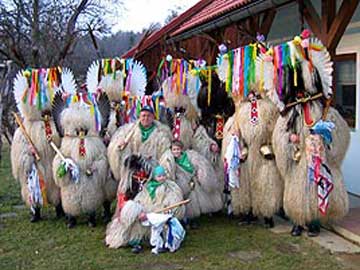
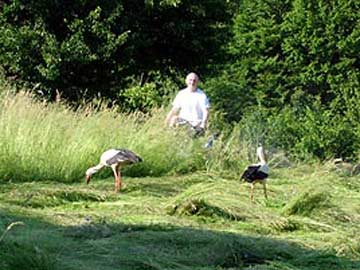
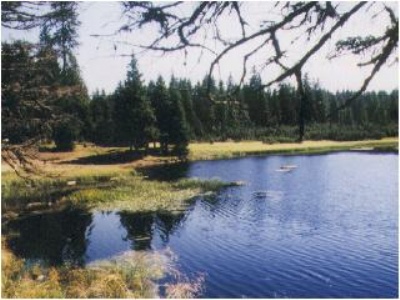
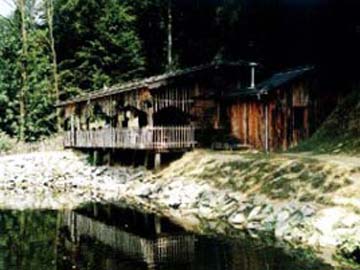
The route will also take you through the village of Spuhlja, which is 1.5 km from Ptuj, and not far from the village there is also the well-known Ptujsko jezero, which came about by damming and spreads over 3.5 km2 of surface. In the village of Spuhlja there is the Štrk House, which is an excellent starting point for research and education for ecologists, ornithologists, astronomers, ethnologists and archaeologists. To sportspeople and recreational visitors it offers a multipurpose court for basketball, volleyball and five-a-side football, boats for rowing on the Drava, a climbing wall for sport climbers, bows for archers and bicycles with which they can set off on outings. The surroundings are suitable for walks too. A point of interest of the Štrk house is the kurent workshop, since the kurent or korant, as the locals call it, is at home on Ptujsko polje.
The village of Zabovci has a rich heritage in building. A village sight is represented by the oldest house in the Pannonian style, called the Runar homestead. The villagers also look after 3 village chapels: the Kokot, the Muhič, the Matek and after the cross, which was once kept company by a beautiful linden tree; now a new one is already growing. In the village they zealously preserve the original carnival customs, since here are at home the people who from March 1992 to February 2001 organised 10 Fašenk carnivals in Markovci, all under the auspices of the Korant Markovci Ethnographic Society.
Markovci and the wider area are known as the centre for preserving the rich traditional carnival activity, and are simply called the land of the Korant. At carnival time it is very lively in all the surrounding villages too.
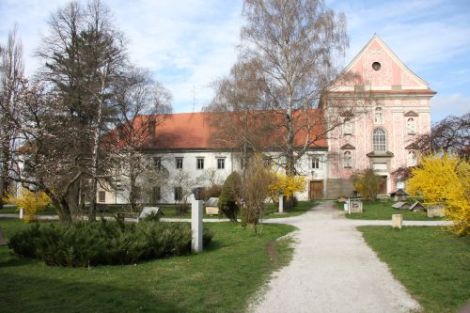
Muretinci Manor in the village of Muretinci was built in 1542 and acquired its present appearance in 1632, when its owners of the time handed it over to the Teutonic Knights of Velika Nedelja, who added a chapel to it.
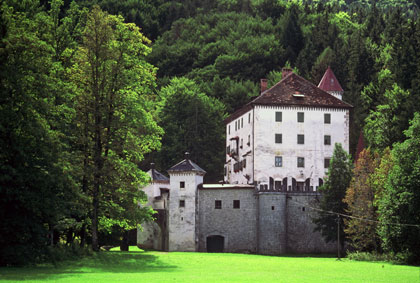
While cycling, on the slopes of Haloze you may notice the famous Borl Castle, built in the 13th century, which with walls 3 to 12 m thick is probably the mightiest fortification of its kind in Slovenia.
In the settlement of Formin you cannot miss the hydroelectric power station, the eighth and last in the chain of Drava power stations in Slovenia.
The Church of St Margaret in Gorišnica was built in 1391, and was rebuilt and enlarged in 1854. It is supposed that a pagan temple once stood on its site.
In Podgorci stands the late Gothic Church of St Leonard from 1519, and the inscribed pillar shrine beyond the settlement dates from 1644.
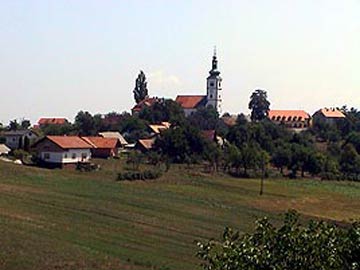
Into the mighty Church of St Mary from the early 17th century on the top of Polenšak, called the "white little church", is a favourite pilgrimage destination above all for the sick and disabled.
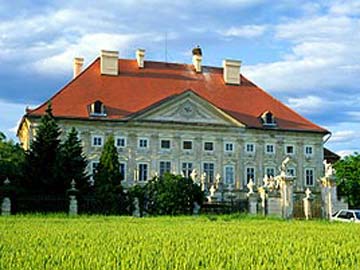
The last landmark along the route is Dornava Manor, since it is regarded as the most important secular building of the late Baroque in Slovenia. Since its construction in 1435 the castle has changed many owners; in the last decade it housed a care institution and now it is being thoroughly restored and a new purpose is being sought for it. A tour of the castle and its surroundings is possible with local guides.
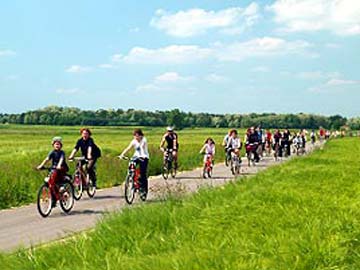
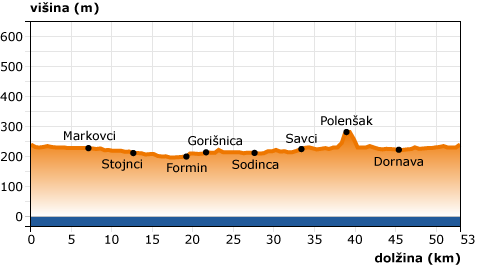
The terrain is flat in the first part; through the Slovenske gorice the route runs along valleys, and there is only one climb (to Polenšak). Because of the length it is advisable to already "have a few kilometres in your legs".