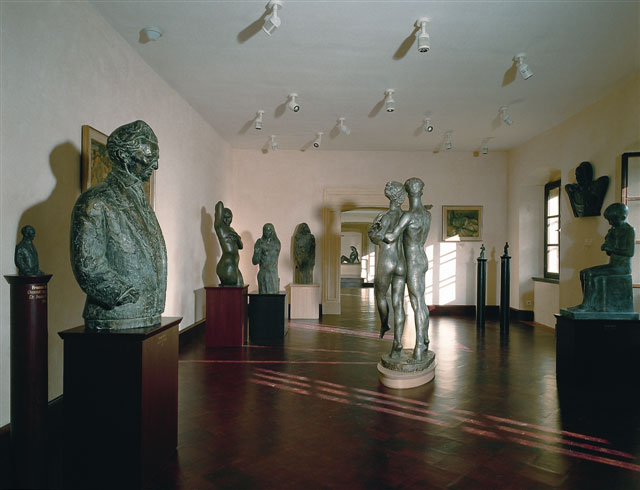
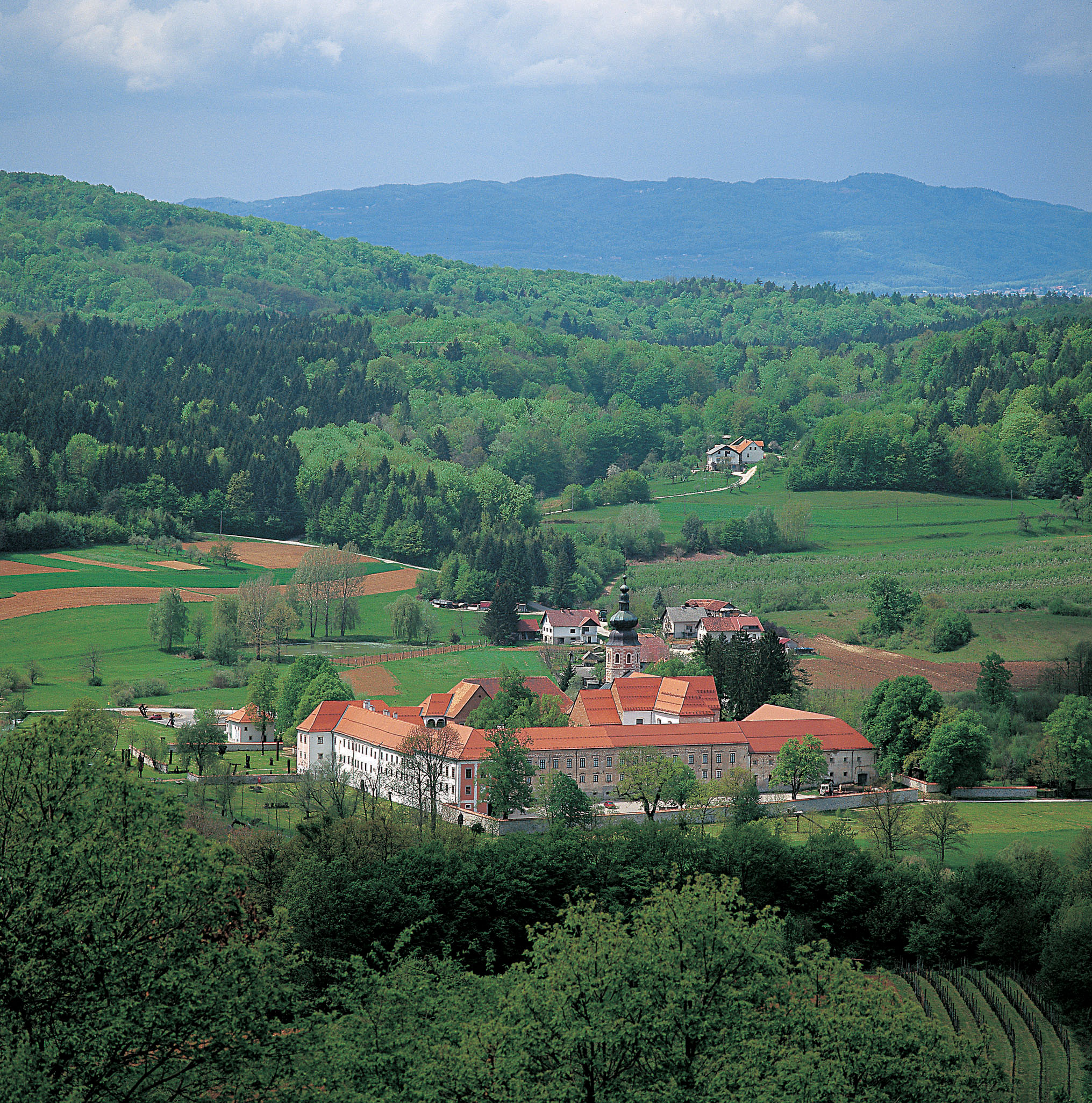
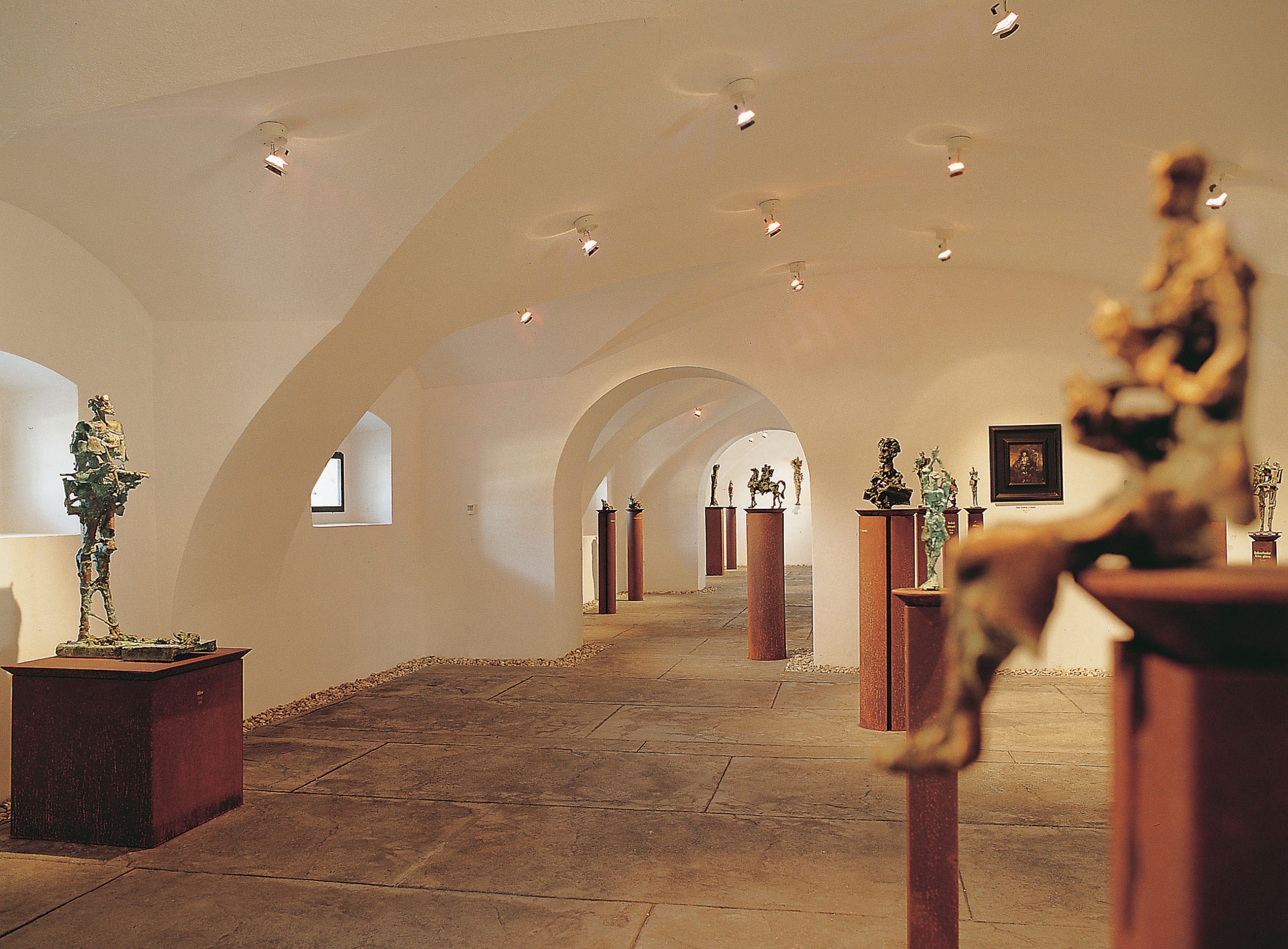
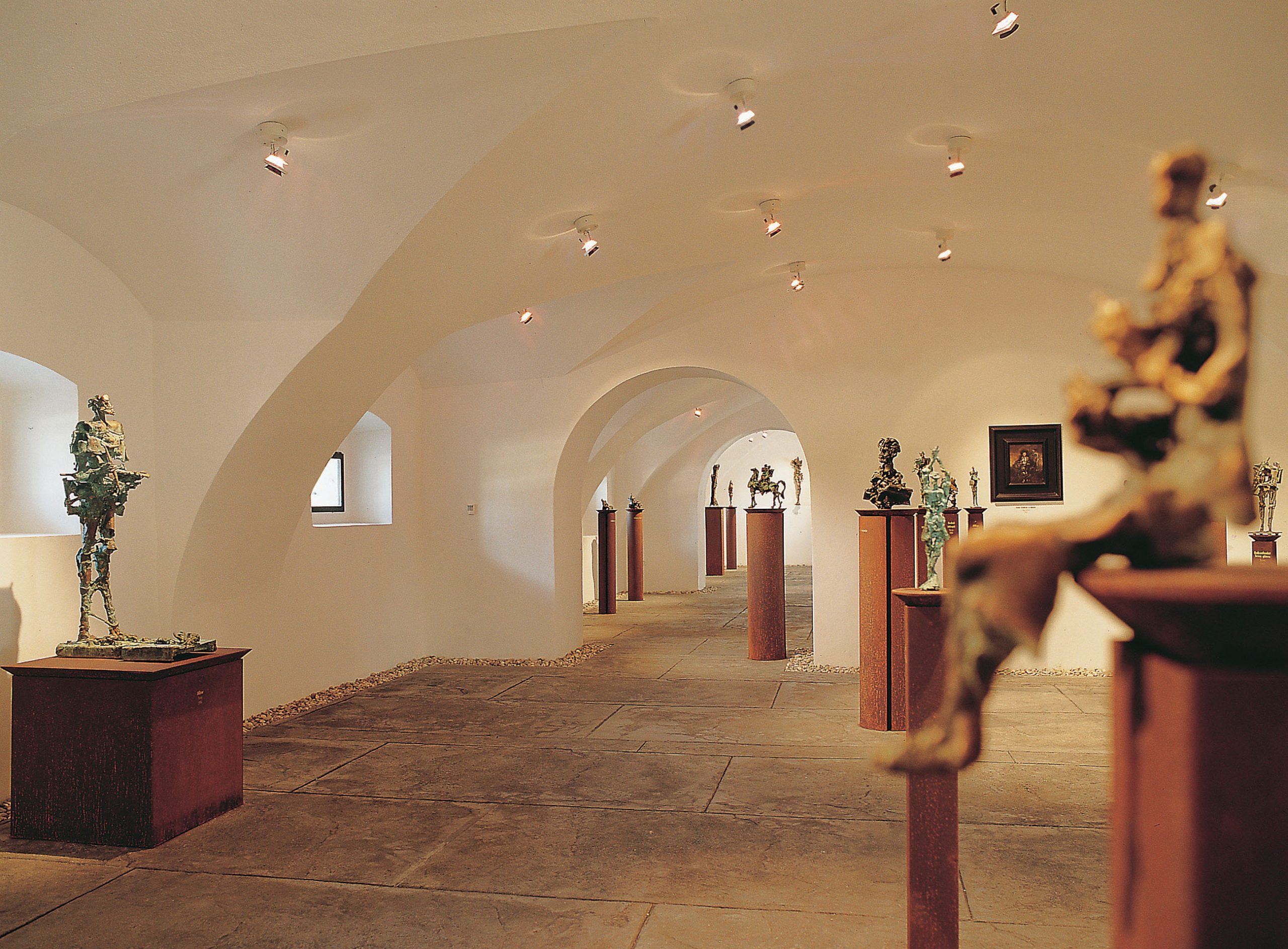
In the Božidar Jakac Gallery we wish, with the cviček cellar, to speak about wine and its role in the life of the Dolenjska person, and also about cellaring, growing and processing through time, and at the same time to offer the possibility of tasting the results of today's winemakers, who present themselves to us here as members of the Cviček Consortium.
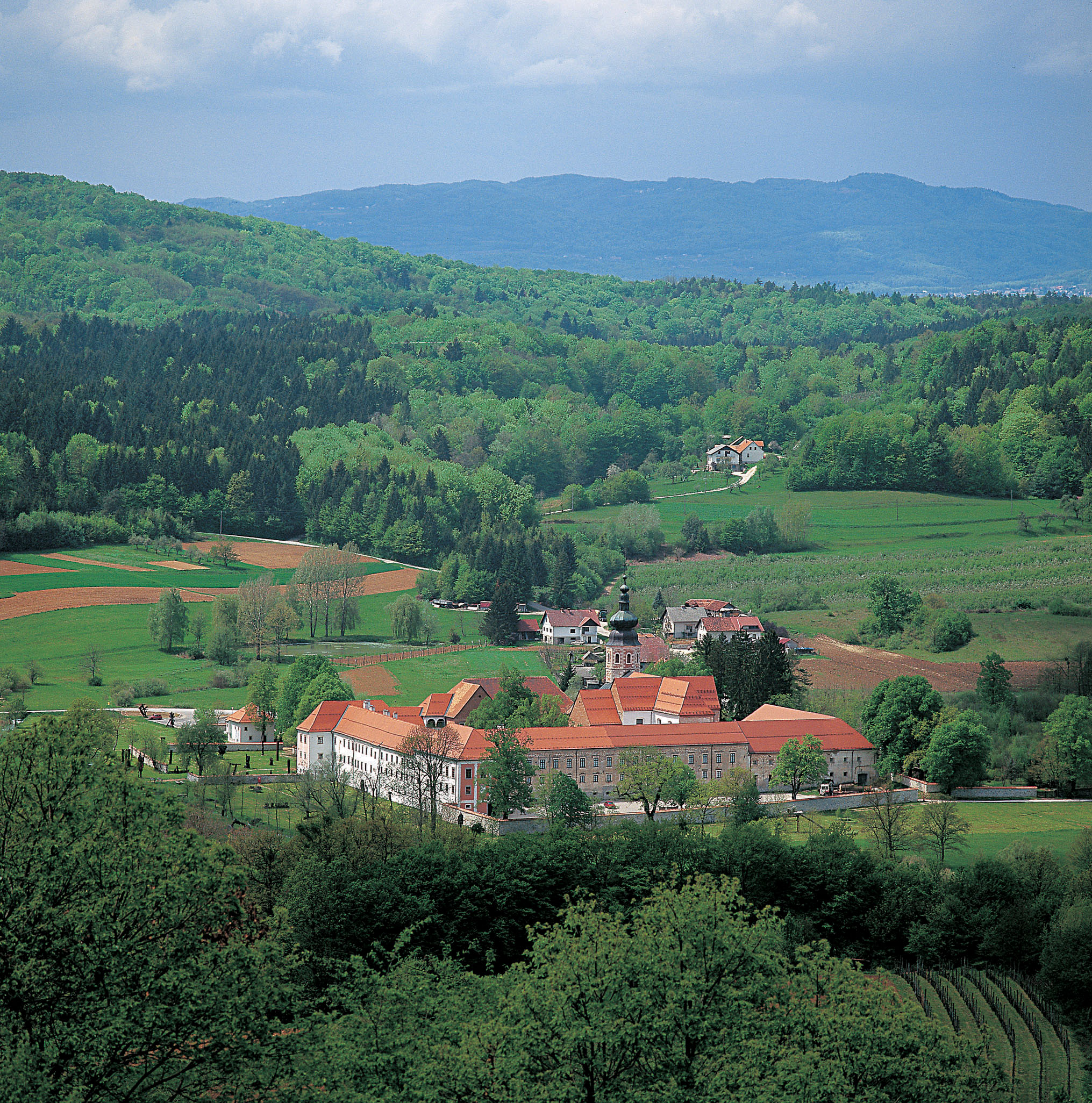
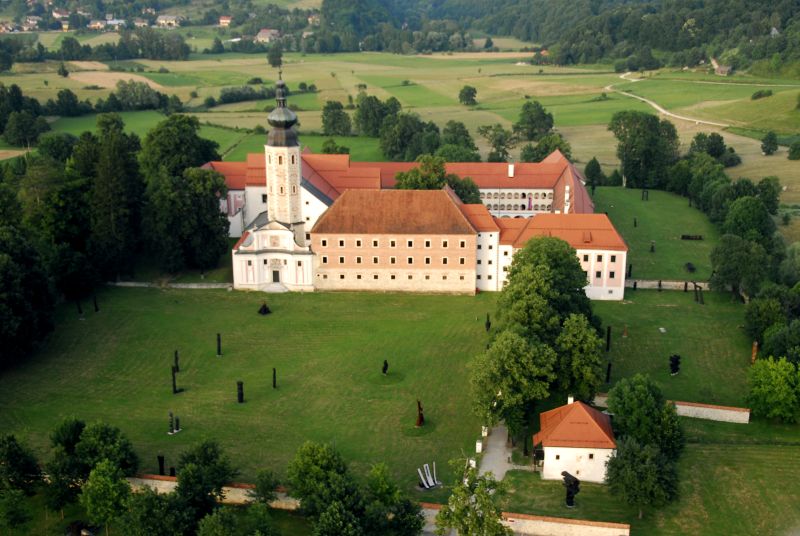
Cviček P.T.P. /recognised traditional denomination/ is a dry wine with a low alcohol level (up to 10.0 vol.%), with slightly higher total acids, of a light reddish colour with a ruby tint, of fresh fruity aroma, in taste gentle, light, fresh and lively. This wine, which because of its alcohol and acid level is a great oddity on the wine market, we present in the cellar rooms of the former Cistercian monastery.
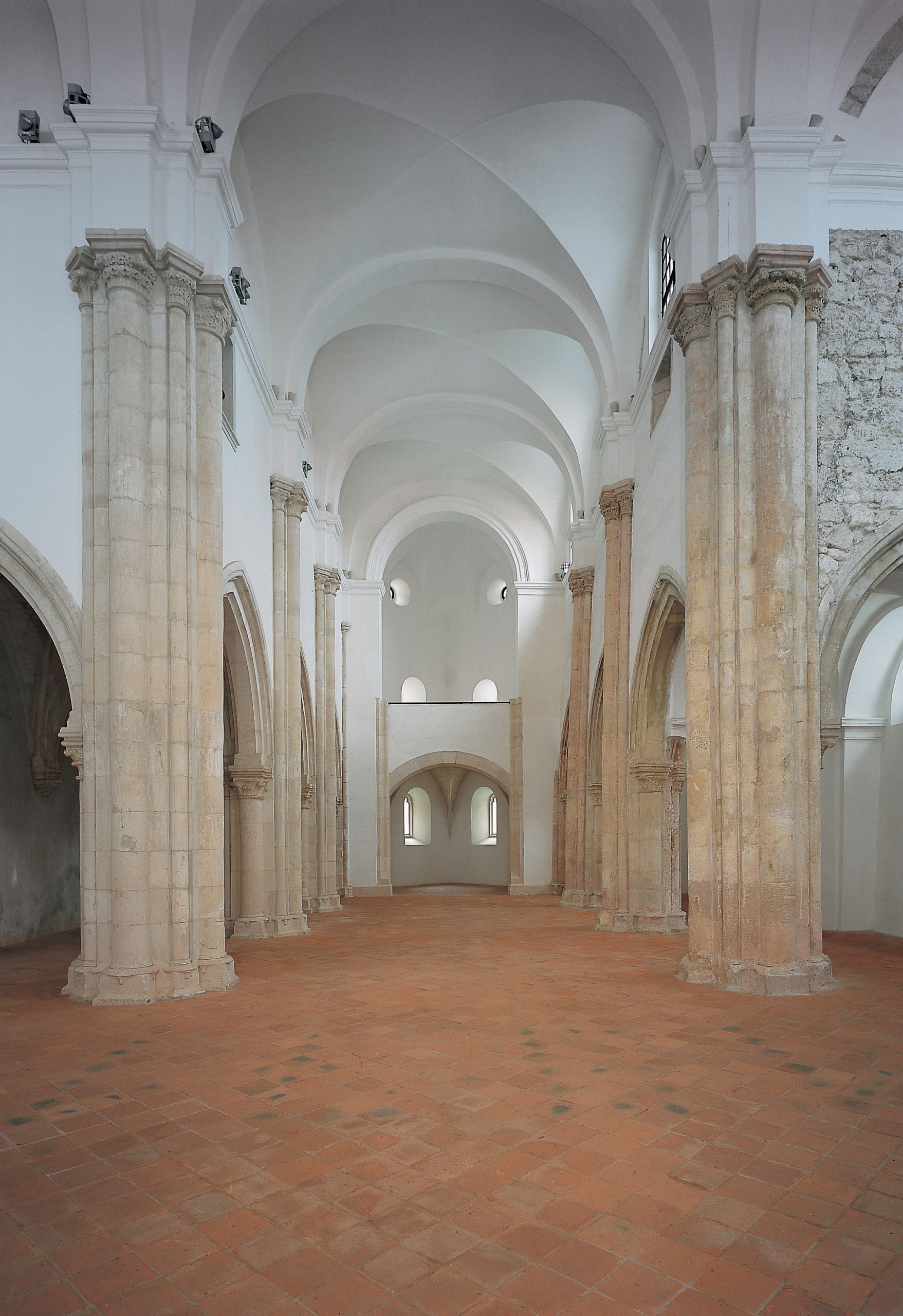
Cviček is produced today in accordance with the Act on wine and other products from grapes and wine (Official Gazette of the RS no. 70/1997), which represents the legal basis for the protection of cviček, and the Rules on wine with the designation of recognised traditional denomination – cviček (Official Gazette of the RS no. 3/2000), only by winemakers who have their vineyards in the Dolenjska wine-growing area. Otherwise this is a wine that has its own story and through the whole 20th century travelled an enviable road. Alenka Černelič Krošelj wrote »…that the farmer-vine-growers, because of a lack of knowledge and equipment, put together everything they produced in their small vineyards and made wine out of it. Such wine was drunk by Janez Trdina, who walked around Dolenjska in the 1870s,« and at that time also first wrote down its name – cviček. After the appearance of phylloxera and the renewal of the vineyards which followed at the turn of the 19th into the 20th century, the quality of Dolenjska wines, including cviček, rose greatly, which also had a market effect. Great merit for this belonged to the wine inspector Bohuslav Skalicky, who in May 1909 took cviček also to the Wine Exhibition in Prague.« Individual producers were selling cviček already in the period before the First World War also to Vienna and Graz, where it reached the enviable value of 1 gulden per litre, whereas other wines were 40 to 48 kreutzers. In an organised way, cviček was presented on the market by the Kostanjevica na Krki Wine Cooperative, which was founded in 1928, and in the autumn of 1929 it filled for the first time the capacities in the premises of the present cviček cellar. For this reason too we can justifiably claim that this cellar represents the cradle of organised cviček production. The Wine Cooperative operated both in the expert field of the renewal of vineyards and in the field of the sale and promotion of Dolenjska wines, above all the by then established indigenous wine Cviček. The wine was sold through various trading companies, among which Slovenija-vino stands out, on the domestic, Yugoslav and foreign markets. In the period after the Second World War cviček was also exported to Switzerland, Belgium and England and even to such an »exotic« country as Brazil. Under the mighty vaults of the former Cistercian monastery the activities of the Wine Cooperative and its successors went on until 1980, when the activity was transferred to Leskovec pri Krškem, where the tradition is continued by the Krško Wine Cellar. The barrels of this cellar were used until 1995, when the cellarmen filled them for the last time.
The presentation of the cviček cellar is the result of several decades of efforts by cviček producers and the Krško Farming Cooperative, who did not remain indifferent to what was happening with cviček, a wine which, besides Tuscan chianti, is the only one in the world with a legally protected composition of red and white grape varieties. These must be present in cviček in the prescribed proportion: žametovka, from 40 to 50% (exceptionally 60%), blaufränkisch from 15 to 20% (exceptionally up to 30%), kraljevina from 10 to 15%, Welschriesling up to 10% and other varieties (rumeni plavec, green Silvaner, white chasselas, štajerska belina and red varieties permitted in Dolenjska), whose permitted content is up to 15%.
Today the cviček cellar is as it was at the time of its beginnings in the twenties of the last century and then at its rearrangement after the end of the Second World War. In it there are 34 barrels, which the Božidar Jakac Gallery bought in 1998 from the Farming Cooperative – Krško Wine Cellar. They were made in the period between 1927 and 1972; their capacity ranges from 2,940 to 10,600 litres, and the total capacity of the barrels and of the three preserved cisterns, which were made in the 1950s of the twentieth century, is a good 281,000 litres.
Helena Rožman