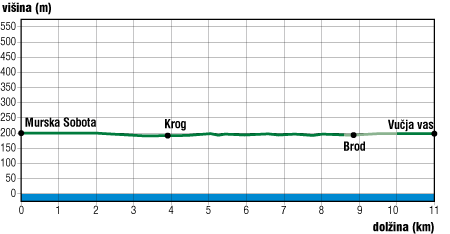
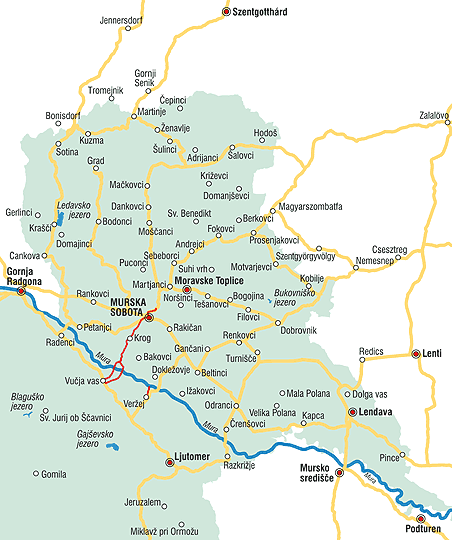
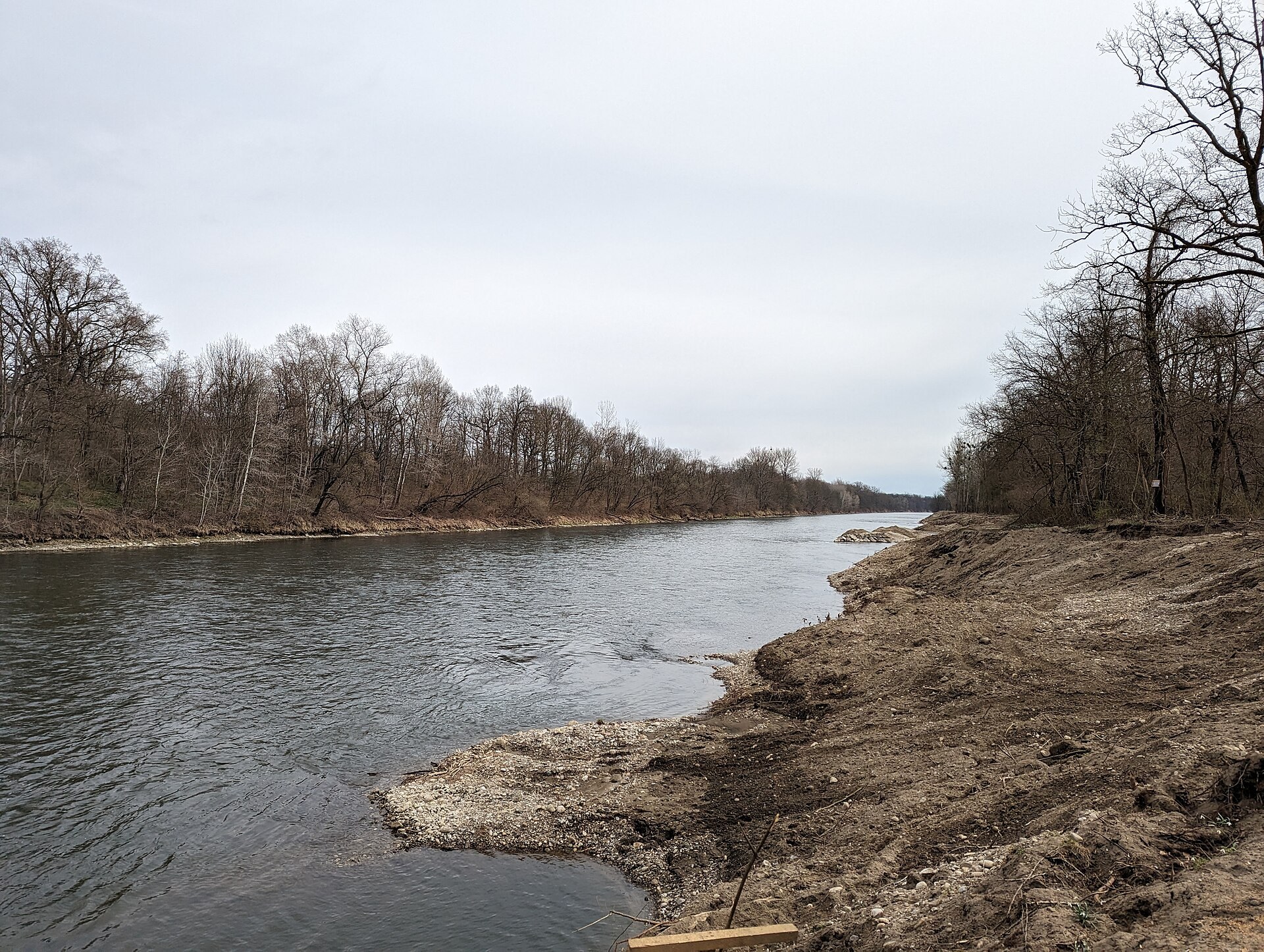
It is the Murska Sobota – Vučja vas connection, which can serve as a short cut between the Thermal route and the Pomurje metropolis, or as a link to the Ravnica III route, which stands out for its cuisine. The route acquaints you thoroughly with Murska Sobota, since it is routed safely through its core. Then it takes us to the Mura, which you can also cross. In the summer months it is gladly used by cyclists, runners and walkers.
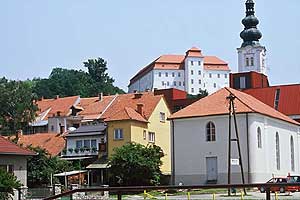
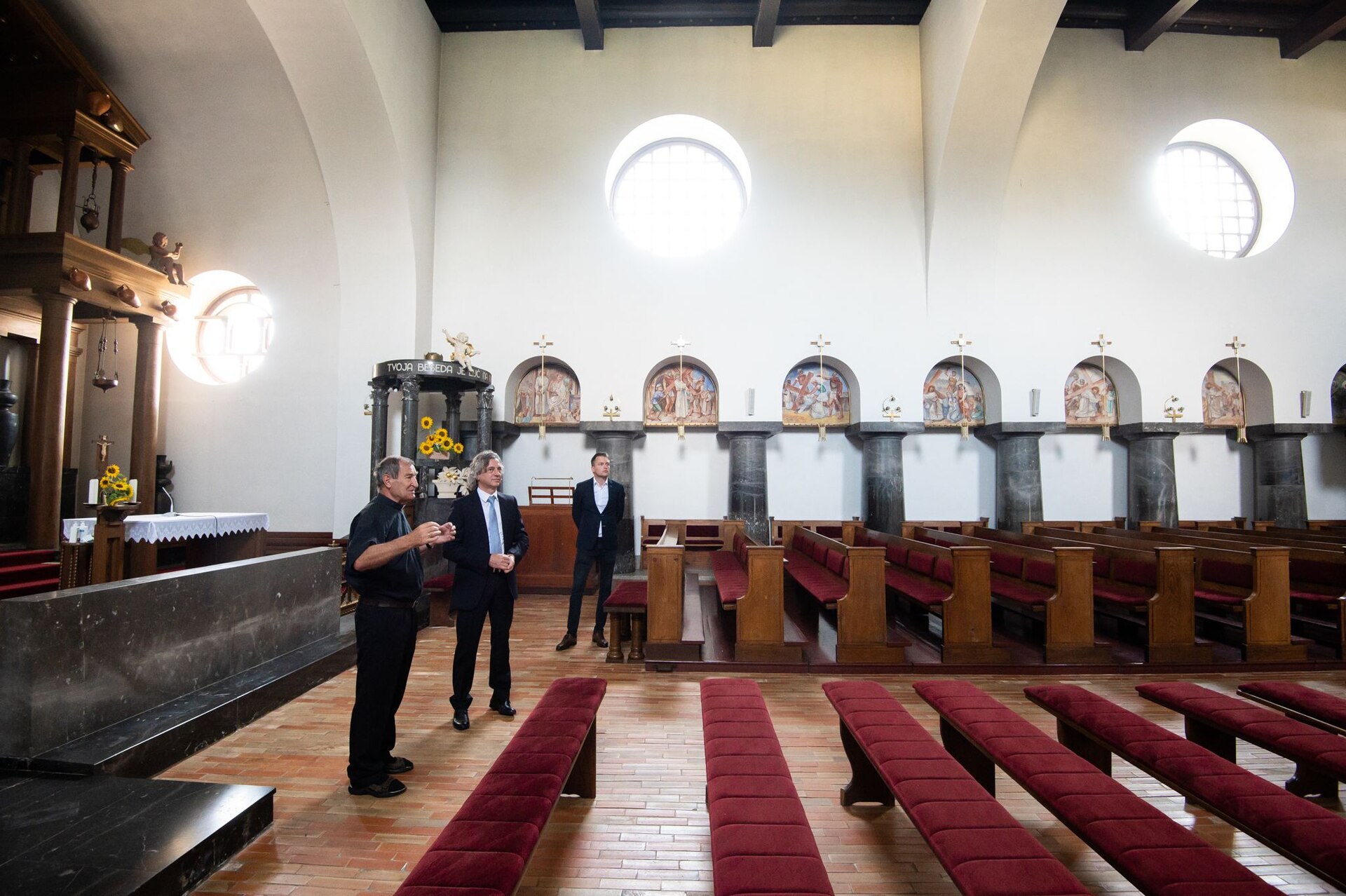
The architectural heritage of past centuries in Murska Sobota is preserved by the parish church of St Nicholas and the Renaissance manor with its English park in Murska Sobota, and by the rural Baroque manor in the middle of the Rakičan park. The core of the town's present urban appearance dates from the second half of the 19th century, while the once typically Pannonian settlement has been strongly changed by the building interventions of recent decades.
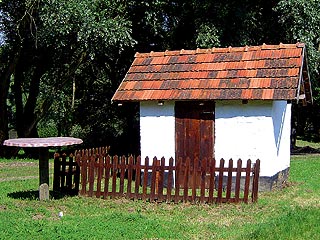
Vučja vas lies along the Ljutomer-Gornja Radgona road. In the village chapel with a roof turret in the neo-Gothic style there is a Baroque statue of Ecce Homo. It is a reconstruction of the chapel from 1876. It was renovated in 1984, and newly built in 1986. A Baroque statue of St Roch of larger than life size stands in the middle of the fields, in the direction of Zasadi. It was erected in memory of the plague of 1680-81, when they buried the dead here. It was built in 1681.